



Last Updated:
March 12th, 2026
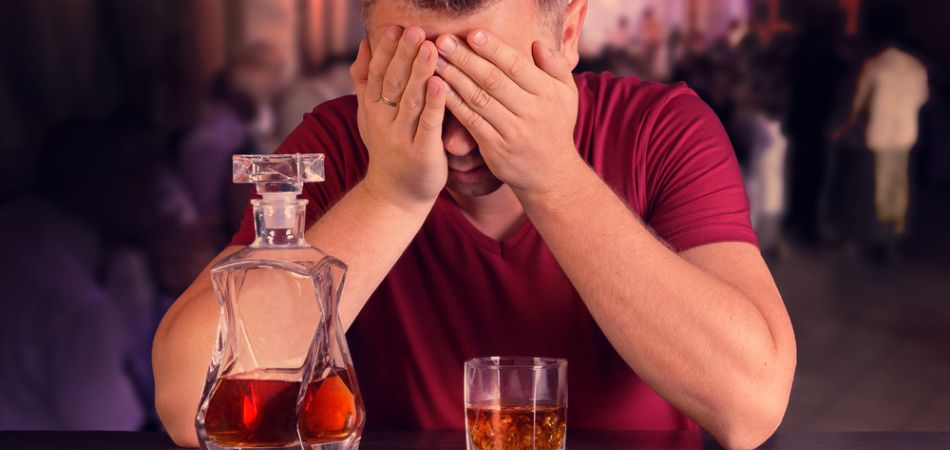
By the time most people seek help for addiction, the damage has already spread far beyond the substance itself. Addiction touches every important part of your life, and it can feel like what has been damaged can never be fixed, and what has been lost can never be recovered. In many cases, a drug or alcohol addiction can put such a veil over your eyes that you don’t fully see what is happening until it feels like it’s too late.
But it is never too late to lift the veil. With the right support, you can look honestly at the harm addiction has done and begin rebuilding. It is not always an easy journey, but it can transform your life forever.
Addiction and relationships
Relationships are the first casualty of an alcohol or drug addiction and often the hardest thing to repair. Trust erodes through broken promises, lies told to cover use, and the sheer unpredictability of someone with a drug or alcohol addiction.
Partners often find themselves stuck between roles, as caretakers and victims, and the strain eventually becomes unbearable. Children experience confusion, neglect, and chronic insecurity that can affect their feelings of safety and love. Friends who tried to help eventually stop trying, and isolation deepens the hold of addiction.
Rebuilding starts with acknowledgement, as an apology alone can feel hollow after the tenth or twentieth time. This is harder than it sounds, because shame makes people want to minimise or explain away their behaviour. But genuine recognition of the harm caused without excuses is the first step in repairing that harm.
After acknowledgement comes consistency. This means showing up when you said you would, and telling the truth even when it’s uncomfortable. Trust often returns slowly, but you will have to be patient, as it’s rare that a single conversation or gesture can speed that up.
Family therapy can help by providing neutral ground for conversations that may otherwise spiral. At Primrose Lodge, we invite family members to join our clients for therapy sessions because research consistently shows that family-based approaches produce better outcomes than individual treatment alone.
However, it may be necessary to accept that some relationships may not survive. Not every bridge can be rebuilt, and some people will need to protect themselves by keeping their distance even after you’ve changed.
Addiction, work, and finances
The practical wreckage of addiction often includes lost jobs, missed opportunities, accumulated debts, bankruptcy, and a lack of employment or financial skills.
Rebuilding often starts with accepting where you are now and building slowly from there. Any employment provides structure and income, even if it’s not the career you once had or imagined. Part of building a successful career means ensuring the right homelife, as studies show stability increases both employment rates and income.
Alcohol and drug addiction are expensive, as are behavioural addictions like gambling. Many people try to avoid thinking about their debts during addiction, so finances often require a systematic approach. Working through what’s owed, setting up payment plans, and building basic budgeting habits can give you back the control that addiction took away. Without the financial strain of feeding an addiction, many people in recovery see significant financial improvements.
Addiction and physical health
The body can accumulate enormous damage during active addiction, depending on the substance and the duration of abuse. Your liver, heart, kidneys, lungs, brain, immune system, sleep, and skin can all be harmed, sometimes severely and in very rare cases, irreversibly. Many people entering recovery have no real idea how unwell they’ve become because they’ve grown accustomed to feeling terrible.
A medical assessment early in recovery establishes a baseline and identifies what needs attention. From there, the basics like proper nutrition and hydration give your body the raw materials it needs to heal, while consistent sleep habits address one of the most underestimated relapse risks. Exercise helps too, as a way of managing lingering cravings and releasing natural dopamine.
The encouraging news is that physical improvements often become visible within a matter of weeks. These changes show that recovery is working, which is important during the early months when progress can feel invisible in other areas.

Addiction and mental health
Addiction and mental illness travel together more often than not. Data from SAMHSA’s national survey found that 55.8% of people with a substance use disorder also have a co-occurring mental illness, including depression, anxiety, and trauma-related conditions.
Sometimes the mental health problem came first, and substances became a way of coping. Sometimes addiction itself creates or worsens psychological symptoms. Either way, the two feed each other, and treating only one rarely works.
As well as diagnosable conditions, addiction leaves a residue of shame that takes time to clear. Therapy helps by providing space to process this shame and slowly build back your self-esteem. Once you feel better about yourself, you will have the motivation to tackle anything that recovery throws up in your path.
Addiction, identity, and purpose
One of addiction’s cruellest effects is the way it takes over your identity. After years of drinking, drug use, or addictive behaviours, the label “addict” can feel like the only thing you are.
Recovery requires building a new sense of self, which can feel like losing yourself and finding yourself at the same time. The person you become doesn’t have to resemble the person you were before addiction, and in many cases, it shouldn’t. For many people, their in-recovery self is wiser, healthier, and far happier than the person who became addicted.
Finding or rediscovering goals, hobbies, values, and interests can help fill the void that substances and addictive behaviours leave behind. This won’t just make your life more fun or worthwhile, but it will also help protect you from boredom, which is a major relapse trigger.
Having something to work toward helps. Setting small goals and meeting them also rebuilds the sense that you’re capable of following through, which addiction wore down over the years.
Addiction and social connections
Old social circles often revolved around using, and returning to them puts your recovery at risk. Healthy friends may have distanced themselves during your active addiction, and loneliness can become both a cause and consequence of relapse. Rebuilding your social life often means finding new friends and contacts through recovery groups, new activities, work, or community involvement. In some cases, social skills may need relearning after years of relating to people primarily through substances.
At Primrose Lodge, all our clients are invited to join our Alumni Network after completing rehab treatment. We host regular meet-ups, and all the members can stay connected through exclusive messaging boards. It is a great way to meet up with friends you met during drug or alcohol rehab, meet entirely new friends, and make recovery a real part of your social life. We will also help connect you with local fellowship groups like AA and NA meetings. These are other excellent places to get support and possibly make some new friends.
Wherever and however you make your connections, quality matters more than quantity. A few genuine connections with people who support your recovery can help you sustain recovery through even the hardest times.
Getting help from Primrose Lodge
If you recognise yourself in any of this, contact us for a confidential conversation. The life that addiction damaged can be rebuilt, and Primrose Lodge can help you start.
(Click here to see works cited)
- Kelly, John F., et al. “Prevalence and Pathways of Recovery from Drug and Alcohol Problems in the United States Population: Implications for Practice, Research, and Policy.” Drug and Alcohol Dependence, vol. 181, 2017, pp. 162-169. https://pmc.ncbi.nlm.nih.gov/articles/PMC6076174/
- Mericle, Amy A., et al. “Recovery Housing for Substance Use Disorder: A Systematic Review.” Frontiers in Psychiatry, vol. 15, 2024. https://pmc.ncbi.nlm.nih.gov/articles/PMC11922849/
- Substance Abuse and Mental Health Services Administration. Key Substance Use and Mental Health Indicators in the United States: Results from the 2023 National Survey on Drug Use and Health. HHS Publication No. PEP24-07-021. Center for Behavioral Health Statistics and Quality, 2024. https://www.samhsa.gov/data/report/2023-nsduh-annual-national-report

