





Written by:

Medically Reviewed by:
Last Updated:
April 16th, 2026
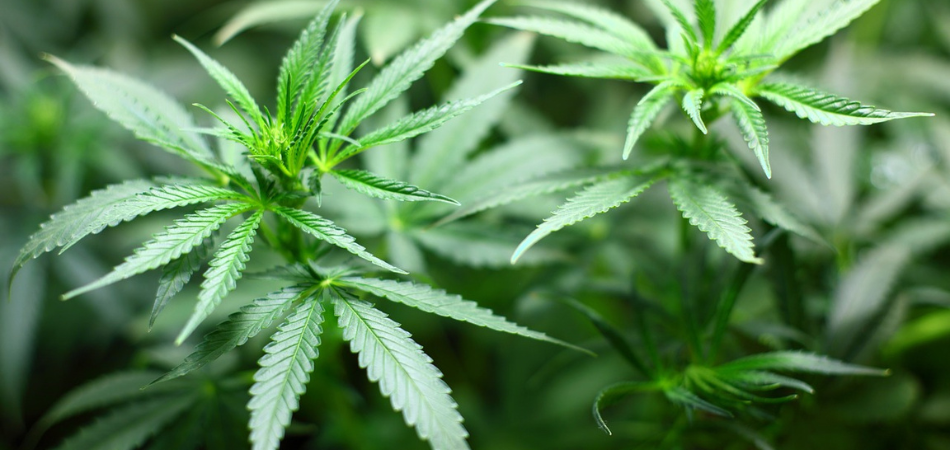
The prevalence of cannabis use in the UK is increasing, with data showing more than 7% of all adults (2.5 million) used cannabis in the past year.
Yet when strains continue to grow stronger and use among younger people becomes more normal, it’s worth asking: are we downplaying the dangers of heavy cannabis use on our mental health?
It’s important to fully understand how heavy cannabis use can change the way you think and feel. These are the same changes that can cloud your ability to stop, before dependency takes hold.
What is cannabis?
Cannabis is an addictive psychoactive drug derived from the Cannabis sativa or Cannabis indica plant. The main psychoactive substance in cannabis, tetrahydrocannabinol (THC), can be taken in various ways.
Smoking, vaping, or consuming edibles are some of the most common methods, with each method having different durations and intensities. Taking cannabis has a range of immediate effects, from mild relaxation to intense sensory changes and anxiety.
In the UK, cannabis is sometimes given to people on prescription, though these instances are rare. According to the NHS, cannabis is only likely to be prescribed for:
- Children and adults suffering from rare and severe forms of epilepsy
- People with spasms and muscle stiffness caused by multiple sclerosis (MS)
- Adults going through chemotherapy who are frequently vomiting
Though in these rare instances, cannabis can have some positive effects, long-term or heavy recreational use is likely to have serious implications for a person’s mental health.
The impact of heavy cannabis use on mental health
Whether used socially, to unwind, or as a way to cope with emotional distress, cannabis can have lasting consequences when taken frequently or in high doses. Heavy cannabis use is increasingly linked to poor mental well-being, illustrating the connection between heavy cannabis use, mental health decline, and dependency.
Some of the main risks of heavy cannabis use for your mental health include:
Developing depression and anxiety
Regular or near-daily cannabis use can increase the likelihood of developing disorders related to cannabis and anxiety or cannabis and depression. THC directly affects how the brain’s dopamine system works. This is the network responsible for motivation, pleasure and reward. When this system becomes overstimulated and then depleted, your emotional balance begins to suffer.
As a result, heavy use can cause you to feel persistently low in mood, unmotivated and fatigued, even at times when you’re not taking it. Here we can see how a substance that started as a way to relax or “switch off” gradually dulls the brain’s natural ability to experience pleasure. A person begins to grow reliant on cannabis’ effects just to feel normal again.

Worsening depression and anxiety
Many people turn to cannabis in the hope of easing stress, anxiety, or low mood, but over time, frequent use can result in the opposite outcome. Research shows that daily or near-daily cannabis use can worsen symptoms of depression and anxiety, rather than relieve them.
Heavy use will interfere with your ability to regulate your emotions, so that it’s harder to manage feelings without the drug. Over time, you may find that cannabis no longer provides relief but instead deepens cycles of anxiety and emotional instability.
If you’re able to cut back or stop use, you might start to feel rebalanced again, as long-term symptoms of anxiety and depression start to improve.
Schizophrenia and psychosis
Psychosis is a temporary mental state that can involve paranoia and seeing or hearing things that aren’t real. Schizophrenia is a long-term form of psychosis requiring often lifelong treatment. Symptoms can include:
- Vivid hallucinations
- Intense paranoia
- Disordered thinking, speech and behaviours
Research into the long-term effects of cannabis suggests that daily or near-daily use, especially of stronger strains, increases the risk of developing psychosis or schizophrenia-like conditions.
Another UK-based study found that people using high-THC cannabis were nearly five times more likely to develop a psychotic disorder, compared with never-users.
Impairments in brain functioning
Frequent cannabis use can interfere with how the brain processes, stores and retrieves information. The long-term effects of marijuana can affect both your short-term thinking and your ability to focus or communicate clearly. You may notice:
- Forgetting things you’ve just read, heard or said
- Speaking more slowly or finding words harder to recall
- Struggling to stay focused on one task
- Losing your train of thought mid-conversation
Cognitive impairments over time can impact you in many ways, spilling over into your work life, your studies and your relationships. There can be a pervasive sense of brain fog or detachment, as though your thoughts cannot flow as they usually do.
Thankfully, a lot of the impairments to mental clarity can be undone once cannabis use stops. Your brain is incredibly adaptive, so given time, support and healthy lifestyle changes, you will start to feel much better.
How to cut down and moderate use
If you’re not ready to stop using cannabis completely, there are still steps you can take to limit the harm it causes to your mental and physical health. Learning to manage cannabis use risks through moderation will greatly increase your likelihood of quitting when the time is right for you.
Some useful ways to moderate and eventually quit include:
- Set clear limits: Decide how often you’ll use cannabis in a week and stick to it. Keeping use occasional (no more than once or twice weekly) can reduce dependency risks.
- Avoid high-THC strains: Products with very high THC levels are more strongly linked to anxiety, paranoia and psychotic symptoms. If you do use, look for lower-THC or balanced THC/CBD products.
- Change your method: Smoking exposes the lungs to toxins. Vaporisers or edibles (used cautiously) can lower some physical risks, though psychological effects remain.
- Avoid mixing substances: Taking cannabis with alcohol or other drugs increases unpredictability and health risks.
- Take tolerance breaks: Regular breaks (a few days or weeks at a time) give your brain time to reset and lower the likelihood of deep dependence.
- Reach out for support: Talking to a GP, counsellor, or support service doesn’t have to mean you immediately quit. They can give you an idea of the next best step to take, guiding you towards the starting grounds of recovery.
When you decide you’re ready to stop altogether, professional support can make all the difference in stepping into the kind of future you truly desire.
Where can I get help for cannabis addiction in my life?
If you’ve noticed cannabis beginning to affect your mental health, it may be time to reach out for help. Please remember that you don’t have to face the journey alone.
At UKAT, we provide comprehensive treatment for cannabis addiction and co-occurring mental health issues. We specialise in medical detox and evidence-based therapy to help you recognise and reframe drivers of addiction. Aftercare programmes are in place to help you stay strong and committed to your complete recovery.
Recovery can begin today. Reach out to Primrose Lodge and start building a future defined by your own strength, balance and peace of mind.
(Click here to see works cited)
- Jones, Pete. “Drug Misuse in England and Wales: Year Ending March 2023.” Drug Misuse in England and Wales – Office for National Statistics, Office for National Statistics, 14 Dec. 2023, www.ons.gov.uk/peoplepopulationandcommunity/crimeandjustice/articles/drugmisuseinenglandandwales/yearendingmarch2023.
- ElSohly MA, Mehmedic Z, Foster S, Gon C, Chandra S, Church JC. Changes in Cannabis Potency Over the Last 2 Decades (1995-2014): Analysis of Current Data in the United States. Biol Psychiatry. 2016 Apr 1;79(7):613-9. doi: 10.1016/j.biopsych.2016.01.004. Epub 2016 Jan 19. PMID: 26903403; PMCID: PMC4987131.
- NHS Choices, NHS, www.nhs.uk/medicines/medical-cannabis
- Langlois C, Potvin S, Khullar A, Tourjman SV. Down and High: Reflections Regarding Depression and Cannabis. Front Psychiatry. 2021 May 14;12:625158. doi: 10.3389/fpsyt.2021.625158. PMID: 34054594; PMCID: PMC8160288.
- National Academies of Sciences, Engineering, and Medicine; Health and Medicine Division; Board on Population Health and Public Health Practice; Committee on the Health Effects of Marijuana: An Evidence Review and Research Agenda. The Health Effects of Cannabis and Cannabinoids: The Current State of Evidence and Recommendations for Research. Washington (DC): National Academies Press (US); 2017 Jan 12. 12, Mental Health. Available from: https://www.ncbi.nlm.nih.gov/books/NBK425748/
- The Contribution of Cannabis Use to Variation in the Incidence of Psychotic Disorder across Europe (EU-Gei): A Multicentre Case-Control Study – the Lancet Psychiatry, www.thelancet.com/article/S2215-0366(19)30048-3/fulltext

