




Last Updated:
November 19th, 2026

Once the clocks go back and it starts getting dark earlier, a lot of people notice a change in their mood. You might feel more tired than usual, and less interested in seeing people or getting going in the mornings. That’s often called the winter blues, and it can really make those months harder. Once you know what’s going on inside you, the winter months become easier to cope with, and it helps show you if something more serious is happening.
Why winter affects mood
The most common winter blues symptoms include tiredness, low motivation, changes to sleep, and finding it harder to stick to a normal routine. These mostly come from your body responding to a real change in its environment.
Sunlight is far more important than a lot of us realise. It helps set your body’s internal clock, which is the system that tells you when to feel awake and when to feel sleepy.
When the days get shorter, your body gets less of the daylight it uses to keep that clock on time. That can throw off the chemicals in your brain that help control mood and sleep, such as serotonin and melatonin.
Melatonin usually rises in the evening to make you feel sleepy, but with less daylight it can stay high for longer, leaving you groggy. Serotonin helps keep your mood steady, but it can also drop when there’s less light around.
Less light reaching the brain also changes how alert and motivated you feel, and how calm you are when you’re stressed or something goes wrong.
Winter blues or seasonal affective disorder?
The winter blues pass without much trouble for most people, and their mood lifts again once spring comes and the days get longer. But seasonal affective disorder, or SAD for short, is a recognised form of seasonal depression.
SAD differs from the ordinary blues in a few important ways. The blues usually ease with a bit of self-care, but SAD often needs more support. If you still have the motivation and energy to go to work and see the people you care about, that’s closer to the everyday winter blues.
If you’re really struggling to cope, or feeling so low that you don’t want to be around anybody, it’s more likely to be a more serious winter depression. Another sign of SAD is unexplainable anxiety alongside depression, where you feel low mood in winter, feeling on edge or worried without quite knowing why.
Less daylight, less activity, more isolation
As well as affecting your brain chemistry, shorter days also change your daily habits. Cold, dark mornings make it harder to get outside before work or school, and early evenings leave you less time and energy for exercise or meeting up with people.
Exercising less can lower your mood on its own, and seeing fewer people can leave you feeling cut off. Mornings and evenings often feel the hardest, because that’s when it’s darkest and your motivation is at its lowest.
Once you stop exercising or seeing people as often, it can be hard to start again. This can become a vicious cycle which contributes to your low mood in winter. When you do less, you feel less like doing anything, and you can become more and more isolated without noticing that it’s happening.
Sleep and mood in the winter
Sleep and mood affect each other, and seasonal changes can put extra pressure on both. Less daylight can push your body clock out of sync, so you feel sleepy earlier or wake up groggy, and never feel properly rested.
Poor sleep then makes it harder to manage emotions the next day, so a bad night can leave you feeling constantly irritable or sad. That’s why taking steps to improve your sleep is one of the best things you can do for your mental health in winter. This can start with going to bed at the same time every night and trying to stay active in the evening so you’re actually tired when it’s time to sleep.
Winter and addiction recovery
Winter can bring its own problems for people in recovery. Darker days, lower motivation, a disrupted routine, and more time alone are hard for anyone, but they can be even harder for someone who was using alcohol or drugs to cope with difficult feelings. When your routine and social contact start to disappear, old coping mechanisms can start to look like the only solution again.
The first thing is to recognise a seasonal dip for what it is, so you don’t think your recovery has gone wrong. This will help you catch a trigger early before it becomes a full-blown relapse. Taking care of your mental health, whatever that means for you, is also critical for sustained recovery. If you’re feeling low or anxious, talk to someone before it overwhelms you.
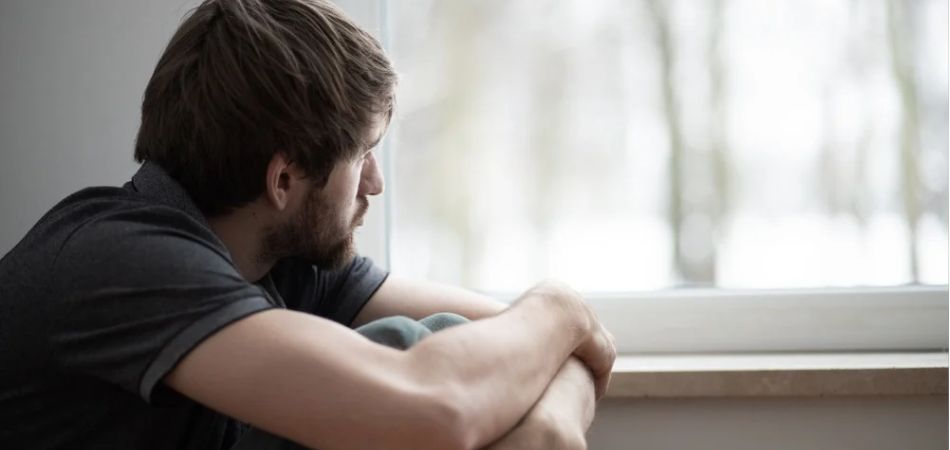
Small steps that can really help
There are a few simple but effective ways to protect your wellbeing through the darker months.
A short walk outside during daylight hours can help reset your body clock and lift your mood. As already mentioned, a steady sleep routine becomes even more important in winter, so try to keep similar bed and wake times, even when it’s tempting to hibernate. Stay active and keep in touch with people who support you.
Structure throughout your day, even something as simple as set meal times, helps when the days themselves don’t really involve too much. Knowing exactly what you have to do and when can help you get things done when you’re lacking in motivation.
Things like mindfulness and journalling can help, as they give you a way to record your thoughts and feelings, and notice a low mood early.
And perhaps most importantly, staying connected to your support network is critical for coping with winter blues, particularly if you’re in recovery or having difficulties with mental health. A text message in the morning or a chat on a rainy evening can improve mood in winter better than almost anything else.
When symptoms are more than the winter blues
There are various signs that suggest what you’re experiencing is more than an ordinary seasonal dip.
SAD symptoms include persistent sadness that never gets fully better, losing interest in things you’d normally enjoy, big changes in your sleep or appetite, real trouble getting through the day, keeping away from people, and feeling hopeless for no real reason.
If you notice these changes, especially if they carry on for several weeks, you should speak to a GP or a mental health professional, who can help work out what kind of support is needed.
You don’t have to wait for spring to get help
It’s common to feel different during the darker months, but if you’re finding it really hard, you don’t have to live with a low mood until spring. There is treatment for seasonal depression, and the sooner you begin, the better the outlook
Once you understand why winter affects you the way it does, it gets easier to notice the signs and respond to it. If you’re in recovery from addiction, extra support and structure during the winter is an important part of relapse prevention.
If winter has made things tougher for your mood or your recovery, we are here to talk it through. We can help you make sense of what’s happening, whether that’s the ordinary winter blues or something more serious.
(Click here to see works cited)
- “Seasonal Affective Disorder (SAD).” NHS, www.nhs.uk/mental-health/conditions/seasonal-affective-disorder-sad/.
- “About Seasonal Affective Disorder (SAD).” Mind, www.mind.org.uk/information-support/types-of-mental-health-problems/seasonal-affective-disorder-sad/about-sad/.
- “Tips for Coping with Seasonal Affective Disorder (SAD).” Mind, www.mind.org.uk/information-support/types-of-mental-health-problems/seasonal-affective-disorder-sad/tips-for-coping-with-sad/.
- “Seasonal Affective Disorder (SAD).” Mental Health Foundation, www.mentalhealth.org.uk/explore-mental-health/a-z-topics/seasonal-affective-disorder-sad.

