



Last Updated:
September 9th, 2026

A substance use disorder is a clinical term for a pattern of substance use that causes serious problems and distress. It is also commonly called a substance addiction, and sometimes a substance dependency (though this generally refers to the physical part of addiction). We now understand substance use disorders far better than in the past. They are not choices or a sign of some moral failing. Substance use disorders are recognised health conditions where the brain’s reward and regulation systems have been changed by repeated exposure to a substance.
In 2023 to 2024, 310,863 adults were in contact with drug treatment services and alcohol treatment services in England. These were people with different substances, different histories, different circumstances, and different reasons for reaching out. What they had in common was that they sought help and gave themselves a chance of recovery.
Signs of addiction and what a substance use disorder means
The signs of addiction are pretty much consistent across alcohol and different types of drugs. They include:
- Using more of a substance than intended, or for longer than planned.
- Building tolerance, so that more is needed to achieve the same effect.
- Experiencing withdrawal symptoms when you use less or stop.
- Spending a large amount of your time obtaining substances, using them, recovering from their effects, or planning the next time.
- Continuing to use despite knowing it’s causing harm to relationships, health or work.
- Feeling unable to cut down even when wanting to.
A lot of people live with unrecognised addiction for years, managing around it and playing down the impact, before reaching a point where it becomes impossible to ignore. Knowing what to look for, in yourself or someone you care about, is the first step toward getting the right help.
Long-term alcohol misuse damages your liver, brain and heart, and wears down the immune system. Alcohol use disorder raises the risk of liver disease, heart conditions, and alcohol-related brain damage, as well as several cancers. It’s strongly linked to anxiety and depression, both as a cause and as something people drink to manage.
Medically supervised detox is essential for alcohol dependency, followed by addiction therapy and relapse prevention support.
In 2024, opiates and opioids were involved in 47.1% of all drug-poisoning deaths registered in England and Wales, accounting for 2,621 lives lost.
Heroin and morphine remained the opioids most frequently involved in fatal drug poisonings, being mentioned in 1,415 deaths registered in England and Wales in 2024.
The emergence of highly potent synthetic opioids known as nitazenes is also causing growing concern. There were 195 deaths involving nitazenes registered in 2024, almost four times as many as in 2023.
Opioids work by binding to receptors in the brain and body that control pain and reward. Opioid dependency can develop quickly, sometimes within just weeks of regular use. Withdrawal is intensely uncomfortable, though rarely life-threatening in healthy adults, but it often drives people back to using before they’ve sought help. Medically assisted treatment using methadone or buprenorphine is highly effective in stabilising opioid use disorder, managing withdrawal, reducing harm, and supporting longer-term recovery.
Cocaine acts as a powerful stimulant, flooding the brain with dopamine and creating intense but short-lived euphoria followed by low mood and cravings. Regular use strains the heart and cardiovascular system, raising the risk of heart attack and stroke.
Cocaine is also frequently used alongside alcohol, which combines in the body to create a more harmful compound called cocaethylene. There is currently no approved medication for cocaine addiction, so treatment at UKAT and other rehab centres relies on therapy and ongoing support.
Benzodiazepines are some of the most addictive and dangerous medicines. They are prescribed for anxiety and sleep disorders and carry a high risk of physical dependency even when taken as directed. They include diazepam (Valium), Xanax (alprazolam), and temazepam (Restoril). Withdrawal from benzodiazepines carries the same seizure risk as alcohol withdrawal and requires careful medical management.
We covered opioid addiction above, and prescription opioids specifically were responsible for the US Opioid Crisis, which has taken hundreds of thousands of lives.
Sleeping pills known as Z-drugs can also be addictive, as can various stimulant medications for ADHD and seizures, and narcolepsy.
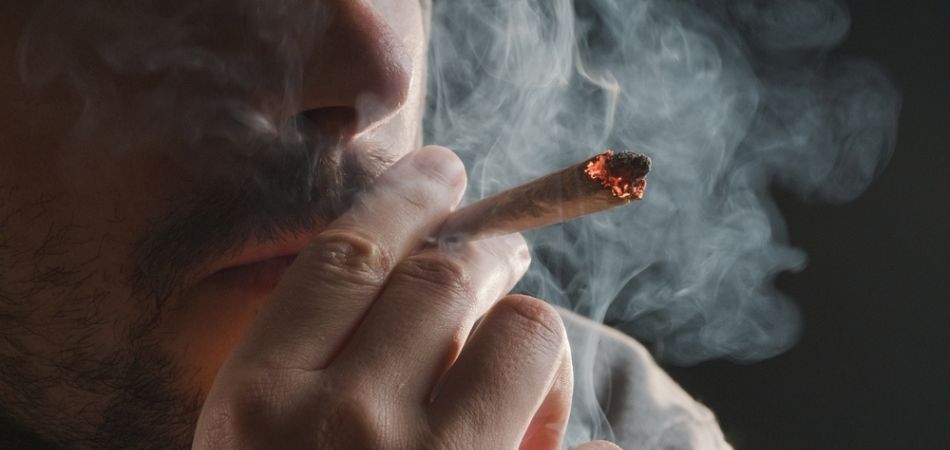
Regular heavy cannabis use affects motivation, memory, concentration, and the ability to manage day-to-day responsibilities. It’s strongly linked to anxiety, depression and low mood, and in vulnerable people it can trigger psychosis.
Ketamine has seen a sharp rise in treatment admissions in recent years. The situation has become so serious that the NHS recently opened a clinic exclusively for ketamine-related bladder damage.
MDMA and amphetamines carry cardiovascular risks and can worsen existing mental health conditions. Polydrug use, combining substances, is common and considerably increases the risk of overdose and harm.
How treatment approaches differ by substance
Substance misuse treatment depends on the substance, the severity of dependency, the person’s physical health, and their personal circumstances.
Medically supervised detox treatment is essential for alcohol and benzodiazepine dependency, and is an important first step for opioid dependency. Attempting to withdraw from these substances without medical support carries serious risks.
Addiction therapy at Primrose Lodge includes cognitive behavioural therapy, group and individual sessions, motivational interviewing, trauma-focused work, holistic therapies, and family therapy. This combination of approaches is effective across substance types and addresses the underlying factors that drive use.
For many people, addiction develops alongside mental health difficulties and trauma, or as a response to prolonged stress. Treatment that considers both the substance use and what lies beneath it produces better long-term outcomes.
Relapse prevention strategies, structured aftercare support, fellowship meetings like Alcoholics Anonymous, and ongoing contact with treatment services are all part of what makes recovery last beyond the initial period.
Get addiction recovery support through Primrose Lodge
If you’re concerned about your own drug or alcohol use, or someone you care about, Primrose Lodge can help. We work with people across all substance types and all stages of addiction, from initial assessment and detox through to therapy and long-term recovery support.
Whatever the substance, whatever the circumstances, getting the right help early makes a difference. Get in touch to find out what treatment looks like and how to take the first step.
(Click here to see works cited)
- “Adult Substance Misuse Treatment Statistics 2023 to 2024: Report.” Office for Health Improvement and Disparities, 28 Nov. 2024, www.gov.uk/government/statistics/substance-misuse-treatment-for-adults-statistics-2023-to-2024/adult-substance-misuse-treatment-statistics-2023-to-2024-report.
- “Deaths Related to Drug Poisoning in England and Wales: 2024 Registrations.” Office for National Statistics, 17 Oct. 2025, https://www.ons.gov.uk/peoplepopulationandcommunity/birthsdeathsandmarriages/deaths/bulletins/deathsrelatedtodrugpoisoninginenglandandwales/2024registrations.

